When is the best time to visit Djerba for swimming, wind and Ramadan?
Updated October 18, 2026 · 5 min read
For most people, choose late May, June, September or early October. These periods avoid the fiercest summer heat while still giving you beach weather; September and early October usually have the warmer sea. For sightseeing rather than swimming, April, May and October are the easier choices. If your dates fall in Ramadan, do not cancel the trip: confirm each excursion’s pickup time and expect some independent cafés and shops to keep different daytime hours.
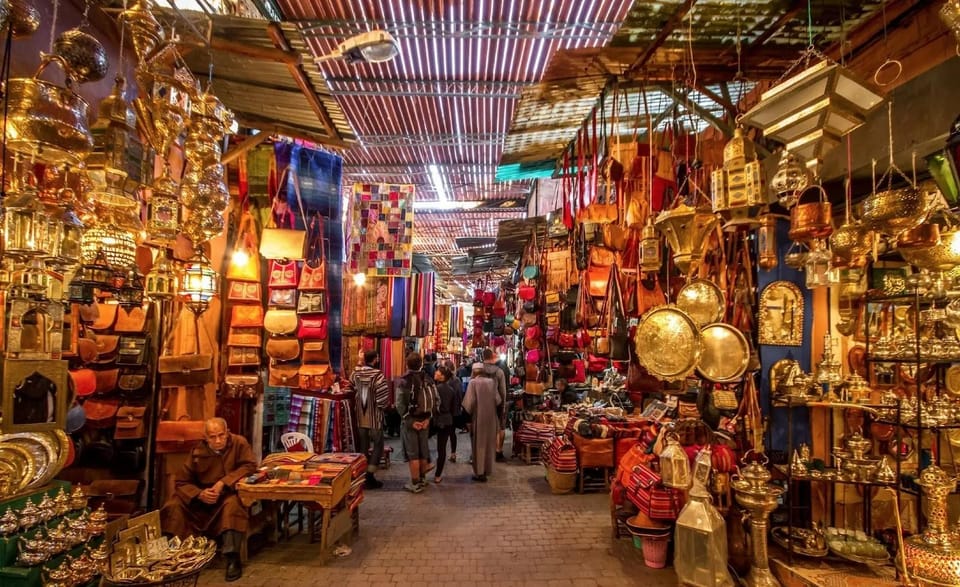
For a first look at the island, the four-hour “Djerba Express: The Highlights of the Island in a Half-Day” costs €19.36 per person and is rated 4.9 from 4,737 reviews. It combines souks, the Ghriba Synagogue and beaches without committing a whole hot day.
See dates and prices for the Djerba Express island tour
The short answer by type of holiday
| What you want | Better period | The trade-off |
|---|---|---|
| beach plus excursions | late May, June, September, early October | warm conditions without choosing the hottest weeks |
| the warmest sea | August and September | August also brings the strongest heat |
| walking through souks and villages | April, May and October | the water can feel cool in spring |
| quiet winter sunshine | November to March | swimming is not the dependable part of the holiday |
Climate averages are useful for choosing a month, not for promising a particular week. A ten-year coastal series puts the average sea at 20.29°C in May, 23.87°C in June, 28.34°C in September and 25.97°C in October. August is warmest at 28.8°C, while February averages 15.27°C. The monthly sea-temperature series also shows a range around every average, so check the forecast close to departure.
May and June: better for moving around
May is the compromise for travellers who want the market, pottery villages and archaeological stops as much as the beach. The sea average is lower than in autumn, so people who dislike cool water should favour June. The reward is that an island circuit is less punishing than in midsummer.
June is the stronger all-round beach month. The sea has warmed markedly, the days are long, and you can still put a half-day tour before or after pool time. It is not a cool month, though. A desert excursion is a different proposition from a breezy coastal ride, so compare the hours in the vehicle as well as the temperature at the hotel.
July and August: book for heat, not balance
Choose July or August if high heat and warm water are precisely what you want. Do not choose them merely because they are the conventional school-holiday months. A souk, synagogue visit or quad ride in exposed terrain feels different from lying beside a shaded pool.
Djerba is known for regular winds, which suit sailing and wind sports. That breeze can make the beach pleasant, but it does not remove sun exposure or guarantee calm water for a boat trip. Operators decide whether conditions suit their activity on the day.
September and October: the best beach compromise
September is our first choice for warm-water swimmers who also want to leave the resort. The sea retains summer heat, while the calendar has moved beyond the busiest family weeks. Early October is the gentler alternative: its average sea temperature remains higher than June’s in the coastal series, though unsettled days become more plausible as autumn advances.
If a pirate boat or water sport is central to the trip, keep one spare day. Wind and sea conditions are daily facts, not something a monthly average can settle.
What changes during Ramadan?
Ramadan follows the lunar calendar and moves earlier each Gregorian year. The hotel zone continues to receive visitors, but small owner-run places may open later, close during the day or become busiest after sunset. Excursions can still run; the useful step is to ask about pickup and meal arrangements on the booking page.
Do not copy last year’s dates into a new itinerary. Check Tunisia’s current holiday calendar shortly before booking, because religious dates can be tentative. Eating and drinking discreetly away from tourist facilities during fasting hours is considerate.
Our recommendation
Book September for the warmest practical mix of sea and sightseeing; choose June if long bright days matter more, or early October if you prefer less intense heat. For a compact introduction that fits around beach time, take the Djerba Express half-day tour rather than using the hottest hours for an improvised island drive.